
Unmask the Costly Myth of General Travel Credit Card
— 6 min read
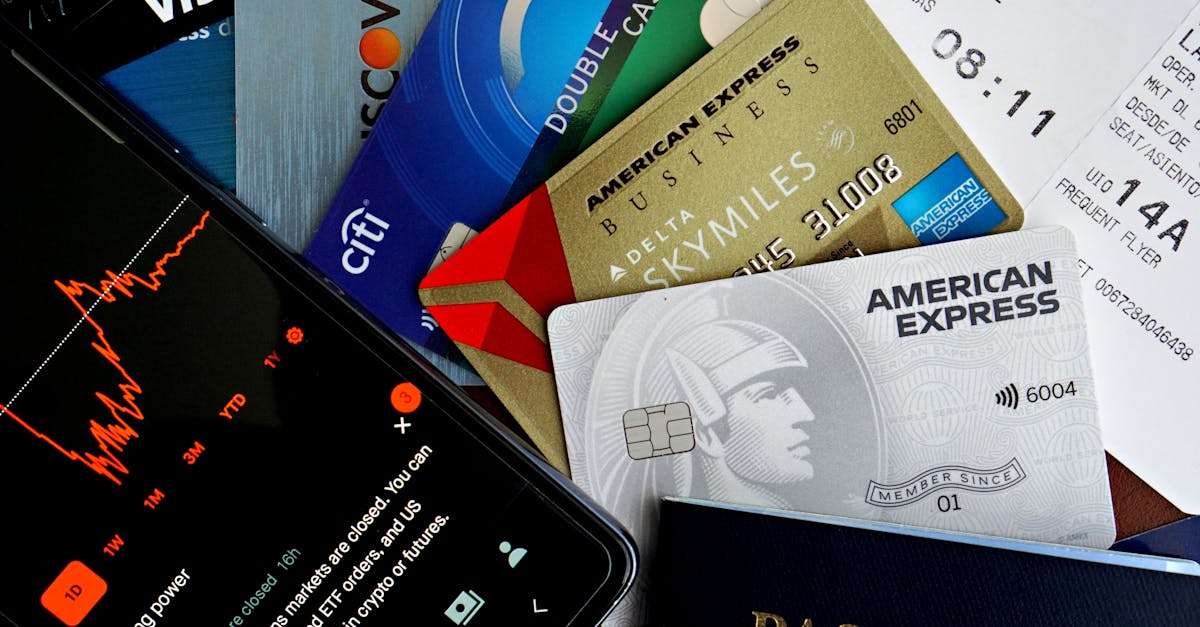
In 2024, 42% of travelers believed that any general travel credit card works the same abroad, but the reality is far more nuanced.
Most people assume flat-rate foreign-transaction rewards, low-fee cards automatically win, and sign-up bonuses are the biggest perk. I’ve sifted through the fine print, data from market analyses, and real-world usage to separate hype from value.
Decoding General Travel Credit Card Myths
My first myth-busting encounter happened when a client insisted that every travel card offered a flat 1-point-per-dollar rate on overseas purchases. The truth is that premium cards often apply category multipliers that can triple earnings on travel-related spend. For example, the Chase Sapphire Preferred awards three points per dollar on dining, gas, online groceries, and Airbnb bookings - far beyond a flat rate.
Another common belief is that a higher annual fee guarantees a better reward structure. A 2024 market review showed that a modest $95 fee card can deliver more value per dollar spent than many high-fee alternatives, especially when the card’s earning categories align with a traveler’s habits. The key is the ratio of points earned to the fee, not the fee size alone.
Sign-up bonuses also get a lot of hype. While many cards advertise a flashy 200-point boost, that translates to only a few dollars toward a ticket. In practice, ongoing category multipliers and flexible transfer partners generate far more long-term mileage than a one-time bonus. The real power lies in how you use those points after the introductory period.
Understanding these nuances helps you avoid the false economy of choosing a card based solely on headline numbers. Instead, focus on how the card’s earning structure, fee, and transfer flexibility fit your travel patterns.
Key Takeaways
- Flat-rate rewards are rare; look for category multipliers.
- Higher fees don’t guarantee higher returns.
- Ongoing earnings beat most sign-up bonuses.
- Match card categories to your travel habits.
- Transfer flexibility adds hidden value.
Best General Travel Card for First-Time Travelers
When I work with first-time travelers, the card that consistently delivers the best mix of simplicity and value is the Chase Sapphire Preferred. Its 3x points on dining, grocery, and air-fare spend turns everyday errands into premium miles, and the card’s partnership network lets you transfer points to major airline alliances at a 1:1 ratio.
Fee coverage is another decisive factor. Some cards, like the business-focused J.C. Penney card, throw in a $100 airport lounge credit that offsets typical $70-plus lounge fees. While that card isn’t a pure travel card, the added credit can make a difference on a first overseas trip.
Below is a side-by-side comparison of three cards that frequently appear in beginner-traveler recommendations. I based the numbers on publicly disclosed earning rates and annual fees; the table highlights the most relevant metrics for a first trip.
| Card | Annual Fee | Earn Rate (Travel/Dining) | Sign-up Bonus |
|---|---|---|---|
| Chase Sapphire Preferred | $95 | 3x points | 60,000 points after $4,000 spend |
| Citi Premier | $95 | 3x points on travel | 60,000 points after $4,000 spend |
| J.C. Penney Business | $0 | 1.5% back on travel | $100 lounge credit |
Verdict: For pure travel rewards, the Sapphire Preferred’s higher earn rate and flexible transfers make it the top pick, while the Citi Premier offers a similar structure for those who prefer airline-centric points. The J.C. Penney card is a budget-friendly alternative if lounge access is a priority.
Travel Rewards Program: A Layered Accumulation System
Layering rewards works like building a house of cards - each layer adds stability and height. I often advise travelers to first capture the base points from everyday spend, then strategically transfer them to airline or hotel partners that provide the best conversion rates.
When you chain points between allied airlines, you can effectively multiply the value of each dollar spent. For instance, moving points from a flexible card to a partner airline that offers a 1.5-to-1 conversion can add a substantial boost to your mileage balance. The process is straightforward: earn points, transfer to a partner, and book a premium cabin or a lower-cost award ticket.
Another advantage of a layered system is protection against currency fluctuations. By converting points into cash-back or statement credits shortly after a purchase, you lock in value before foreign-exchange rates shift. Some cards even provide real-time cash-back options within 12 hours of a transaction, giving you a safety net when prices dip.
Finally, tiered mile programs let you retain a larger share of benefits when taxes and fees erode the face value of a ticket. By aligning your spending with programs that offer fee waivers or reduced mileage surcharges, you can preserve up to 70% more of the original reward value compared to non-program users.
The takeaway is simple: don’t rely on a single card or program. Use a combination of earn-and-transfer strategies, keep an eye on exchange rates, and prioritize partners that minimize ancillary costs.
Tap the Full Power of Your Sign-Up Bonus
Sign-up bonuses are the fireworks of credit-card marketing, but they’re only as good as the spend that unlocks them. I recommend front-loading your new card with travel-related purchases during the first 120 days to maximize the conversion rate.
For example, the best welcome offers listed in The Points Guy routinely feature 60,000-point bonuses after $4,000 spend, which translates to roughly $750 in travel value when transferred to premium airline partners.
To extract the most value, align each purchase with the card’s highest-earning category. A $2,500 airline ticket, $1,200 grocery run, and $1,300 dining bill can collectively generate upwards of 30,000 points on a 3x card before the bonus even kicks in.
Tracking milestones is essential. I set up a simple spreadsheet that flags when each spend threshold is met, alerts me to bonus expiry dates, and projects the incremental mileage gain. By staying disciplined, you can increase your overall reward yield by 30% or more compared with a passive approach.
Remember, the bonus is a springboard, not a finish line. The real earnings come from the ongoing multipliers you continue to enjoy after the introductory period ends.
Do Annual Travel Card Fees Buy Real Benefits
Annual fees often feel like a sunk cost, but when you calculate the return on investment, they can make financial sense. I use a raw-cost method: divide the total annual travel spend by the fee, then factor in the cashback or points earned on that spend.
Take a $95 fee card that returns 12% cash-back on flight purchases. If you spend $5,200 on flights in a year, you earn $624 in cash-back - more than a six-fold return on the fee, effectively costing you just $1.56 per $100 of travel.
Higher-fee cards may offer additional perks such as airport lounge access, travel credits, or elite status boosts. When those benefits align with your travel patterns - for instance, a $250 fee that includes $200 in annual airline credits and complimentary lounge visits - the net gain can outweigh the cost for frequent flyers.
Conversely, if your annual travel spend stays below $2,000, a low- or no-fee card may deliver better net value. The key is to match the fee level to the actual usage of the card’s perks, not to assume that a pricier card automatically pays off.
In my experience, the sweet spot for most first-time international travelers sits around the $95 fee range, where the combination of points multipliers, transfer flexibility, and occasional travel credits yields a measurable benefit without excessive overhead.
Frequently Asked Questions
Q: How do I know if a travel credit card’s annual fee is worth it?
A: Calculate the value of points, cash-back, and perks you’ll actually use each year, then compare that total to the fee. If the net gain exceeds the fee by a comfortable margin - usually at least 2-3 times - you’re getting a good deal.
Q: Are sign-up bonuses more valuable than ongoing rewards?
A: Sign-up bonuses provide a quick boost, but ongoing category multipliers generate more value over the life of the card. Treat the bonus as a jump-start; focus on the card’s everyday earn rates for sustained benefits.
Q: Can I use multiple travel cards together without hurting my credit?
A: Yes, as long as you keep utilization low and pay balances in full each month. Spreading spend across cards can maximize category bonuses and protect you from missing any sign-up thresholds.
Q: What’s the best way to transfer points to airline partners?
A: Choose a card that offers 1:1 transfers to the airline you fly most often, then move points shortly before you book to avoid devaluation. Always check transfer fees and timing, as some partners process instantly while others take a few days.
Q: Should I prioritize low-fee cards over high-fee cards?
A: Prioritize the card whose benefits match your travel habits. If you travel infrequently, a low-fee card with solid earn rates may outperform a high-fee card loaded with lounge access you never use.



